
Mustard Oil Health Benefits: Unlocking Nature’s Golden Elixir

Mustard oil has been a staple in many kitchens and traditional medicine cabinets for centuries. Extracted from mustard seeds, this oil is not only prized for its pungent flavor but also for its numerous health advantages. From heart health to skin care, mustard oil offers a natural way to enhance well-being. This article explores the various health benefits of mustard oil, its potential drawbacks, and practical tips for incorporating it into your daily routine.
Exploring Mustard Oil Health Benefits
Mustard oil is rich in monounsaturated and polyunsaturated fats, which are essential for maintaining good health. These healthy fats help reduce bad cholesterol levels and improve heart function. Additionally, mustard oil contains omega-3 and omega-6 fatty acids, which are vital for brain health and reducing inflammation.
One of the key components of mustard oil is allyl isothiocyanate, a compound known for its antibacterial and antifungal properties. This makes mustard oil an excellent choice for cooking, as it can help reduce the risk of foodborne illnesses.
Moreover, mustard oil is packed with antioxidants such as vitamin E, which protect the body from oxidative stress and premature aging. Regular use of mustard oil in cooking or as a massage oil can improve skin texture and promote a youthful glow.
Practical Uses for Mustard Oil in Daily Life
Cooking: Use mustard oil for sautéing vegetables or frying fish to add a distinct flavor and health boost.
Massage: Warm mustard oil can be used for body massage to improve blood circulation and relieve muscle pain.
Hair Care: Applying mustard oil to the scalp can strengthen hair roots and reduce dandruff.
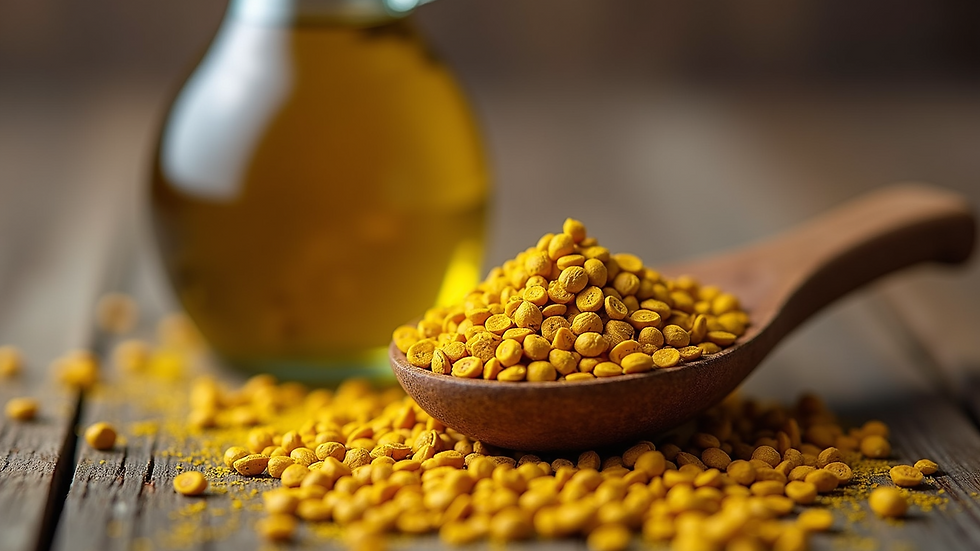
Close-up view of a bottle of mustard oil with mustard seeds
Nutritional Profile and Its Impact on Health
Mustard oil is a powerhouse of nutrients that contribute to overall health. It contains:
Monounsaturated fats: Help lower LDL cholesterol and increase HDL cholesterol.
Omega-3 fatty acids: Support brain function and reduce inflammation.
Vitamin E: Acts as an antioxidant protecting cells from damage.
Magnesium and selenium: Essential minerals that support immune function and metabolism.
These nutrients work synergistically to promote cardiovascular health, improve digestion, and boost immunity. For example, the anti-inflammatory properties of mustard oil can help reduce joint pain and arthritis symptoms.
Incorporating mustard oil into your diet can be as simple as drizzling it over salads or using it as a base for marinades. Its pungent aroma and spicy flavor also make it a favorite in many traditional recipes.
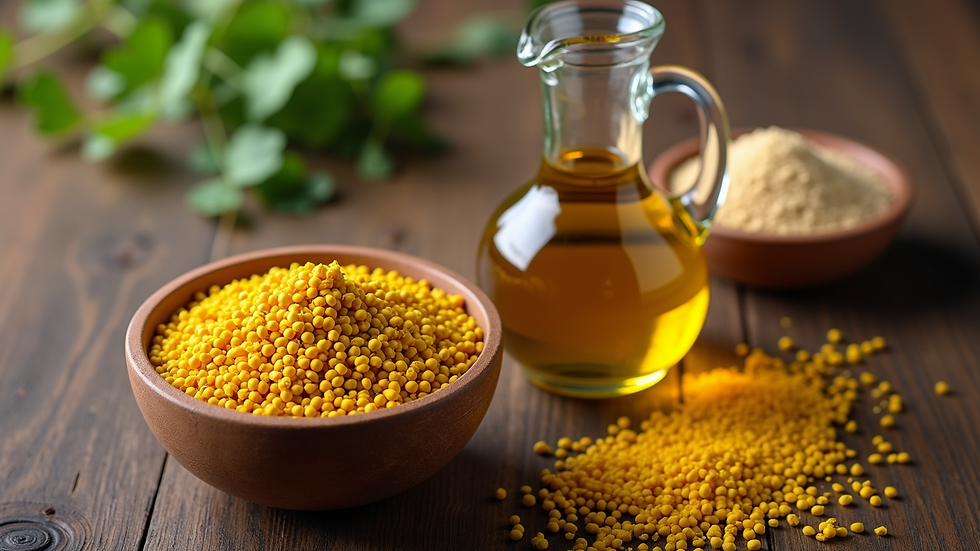
High angle view of a bowl of mustard seeds and a small jug of mustard oil
What are the disadvantages of mustard oil for health?
While mustard oil has many benefits, it is important to be aware of its potential drawbacks. One concern is the presence of erucic acid, which in very high amounts has been linked to heart issues in animal studies. However, the levels in culinary mustard oil are generally considered safe for human consumption when used in moderation.
Some people may experience allergic reactions or skin irritation when applying mustard oil topically. It is advisable to perform a patch test before using it extensively on the skin or scalp.
Additionally, mustard oil has a strong flavor and aroma that may not be suitable for everyone’s palate. Overconsumption can also lead to digestive discomfort in sensitive individuals.
To minimize risks:
Use mustard oil in moderation.
Choose cold-pressed, food-grade mustard oil from reputable sources.
Avoid using it for deep frying at very high temperatures to preserve its nutritional quality.
Mustard Oil Benefits for Skin and Hair
Mustard oil is widely used in traditional beauty treatments due to its nourishing properties. It contains fatty acids and antioxidants that help maintain skin elasticity and hydration. Regular massage with mustard oil can improve blood flow to the skin, promoting a healthy complexion.
For hair care, mustard oil acts as a natural conditioner. It penetrates the scalp to strengthen hair follicles, reduce hair fall, and prevent dandruff. The oil’s antimicrobial properties also help keep the scalp clean and free from infections.
Tips for Using Mustard Oil on Skin and Hair
Mix mustard oil with a few drops of lemon juice for a natural skin brightening treatment.
Warm the oil slightly before massaging it into the scalp to enhance absorption.
Use mustard oil as a pre-shampoo treatment to nourish dry or damaged hair.
How to Incorporate Mustard Oil into Your Diet Safely
To enjoy the health benefits of mustard oil without any adverse effects, consider the following tips:
Start with small quantities: Introduce mustard oil gradually into your cooking to allow your body to adjust.
Use cold-pressed oil: This retains the maximum nutrients and flavor.
Avoid overheating: Use mustard oil for sautéing or light frying rather than deep frying.
Combine with other oils: Mixing mustard oil with milder oils like olive or sunflower oil can balance the flavor and reduce pungency.
Store properly: Keep mustard oil in a cool, dark place to prevent rancidity.
By following these guidelines, you can safely enjoy the mustard oil benefits while enhancing the taste and nutrition of your meals.
Embracing Mustard Oil for a Healthier Lifestyle
Incorporating mustard oil into your daily routine can be a simple yet effective way to boost your health naturally. Whether used in cooking, skincare, or hair care, this versatile oil offers a range of benefits backed by tradition and science.
Remember to use mustard oil mindfully, respecting its strong flavor and potential sensitivities. With the right approach, mustard oil can become a valuable addition to your wellness regimen, helping you achieve better heart health, glowing skin, and stronger hair.
Explore the world of mustard oil and experience its golden touch in your life today!


Comments